Many people recommend beginning your day with gratitude. They encourage journaling, each morning, a list of ten or more things for which you’re thankful. You can also sit with a mind of gratitude, imagining the list of things you’re grateful for.
I think this is a wonderful practice, and I find no argument with its benefits, which a quick internet search confirms include better attitude throughout the day (better emotional regulation), improved resilience, and overall increased happiness.
So why is this, and what can we do to add more meaning to this small effective practice?

If we understand karma (cause & effect), we understand that positive feelings come from practicing virtue and that negative feelings come from practicing non virtue. How can generating minds of thankfulness create happiness? What makes gratitude virtuous?
In order to maximize the positive effects of this practice, we should cultivate this attitude with wisdom. Instead of being mindlessly thankful for things like a sunny day or having a roof over our heads and offering this thanks aimlessly toward the universe at large, we can actually add power to our practice by offering our appreciation and our love to the kindness of living beings who continuously help us enjoy the things we attribute our happiness to.
The building you dwell in didn’t simply appear over night. It started as an idea in someone’s mind. It became a blueprint. Materials were sourced: wood from trees, mined metals melded in factories, synthetic materials invented and recreated. Kind humans putting in mental and physical energy to flesh out a building that began as a mere thought.
You may have heard a variation of the concept “It takes the whole world to make one object.” It takes machines built in one place to harvest crops in another. When we break apart an object we typically enjoy mindlessly, we have the potential to see literally limitless dependent relationships. This thing relies on this which relies on that, which ultimately all relies on the kindness of living beings.
If we cultivate an attitude that appreciates living beings for their kindness and cooperation, we are creating specific and positive causes to feel much deeper and lasting positive feelings than the temporary and misplaced joy of thanking the sun for shining, wrongfully believing the sun is the source of today’s happiness.
Mindfulness Challenge 1:
Choose three objects that you use every day in your home. Three objects that you feel grateful for or happy when you use them. Three objects you may rely upon.
Think about how you came to obtain them. Did you purchase them at the store? Did someone have to stock the shelves with them? Did someone give it to you as a gift? Meditate on the warm feeling of gratitude and love toward the people who helped you attain this item that you benefit from daily.
Now think about how that object was created. What materials is it made of? How were they harvested or created? How is the object put together? How many beings were involved in the assembly of such an object?
Finally, think about how this object was conceived? Did someone invent it? Did it begin as a mere thought or conception in someone’s mind? What plans would need to be prepared before such an object was actually physically created?
Once more, try generating a warm feeling that actually cherishes the people, the kindness of those people, for helping make it possible for you to enjoy this phenomenon each day.
Results
I hope that by journaling or meditating the above mindfulness exercise, you can move your practice of cultivating gratitude from something that generates a temporary happy feeling to something that brings more meaning in your life.
By understanding how connected we actually are, and how it is the kindness of living beings that creates the world we experience, we bring much more fulfillment and ultimate meaning to our practice. We direct our gratitude toward our neighbours, our coworkers, the employees at our local grocery stores. We can grow our patience, our compassion, and we can reduce our resentment and blame.
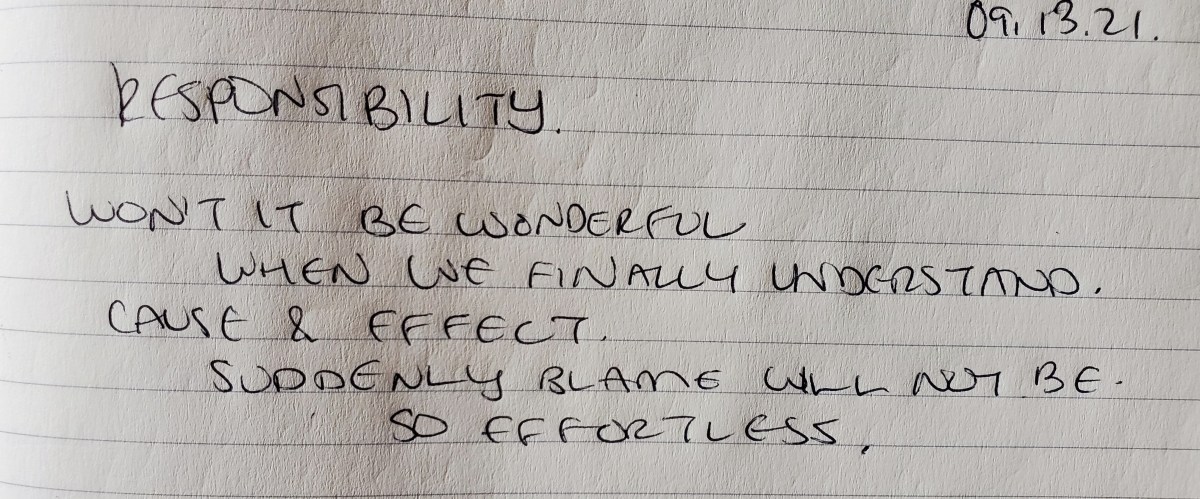
None of us would be alive today without the kindness of others. For that, we can be extremely grateful. No matter the hardships we’ve endured, we have benefitted from the kindness of others. How wonderful!
If you need more inspiration…
 The Halfwit Writer